

Best Cat Scratcher for Indoor Cats: 10 Top Picks
Table of Contents
- Best Cat Scratcher for Indoor Cats: Quick Comparison
- How We Evaluated These Scratchers
- Best Cat Scratching Posts for Tall Climbers
- Best Horizontal Cat Scratchers for Low-Profile Lounging
- Cat Scratchers for Large Cats: Heavy-Duty Options
- How to Get a Cat to Use a Scratching Post
- What Makes a Scratcher Stable and Long-Lasting
- Conclusion: Choose the Right Scratcher for Your Cat
- Frequently Asked Questions
Last Updated: October 5, 2026
Best Cat Scratcher for Indoor Cats: Quick Comparison
Indoor cats need scratching surfaces as much as outdoor cats do. Scratching isn't optional behavior, it's how cats maintain claw health, stretch muscles, and mark territory. When you redirect that natural scratching instinct toward the right scratcher, you protect your furniture while keeping your cat mentally and physically engaged.
This guide covers top picks across different styles, heights, and price points. Whether your cat prefers vertical posts, horizontal pads, or something in between, you'll find a solid match here.
Quick Picks:
- Best Overall Vertical Post: PAWZ Road Large Indoor Cat Scratching Post, 32 inches tall with sisal wrapping and interactive toy
- Best Budget Option: Hammock Design Cat Scratcher, dual-purpose lounge and scratcher at $39.99
- Best for Large Cats: ROJECO L-Shaped Scratcher, handles cats up to 15kg with sturdy corrugated design
- Best Interactive Option: Natural Sisal Cat Scratcher Pad With Rolling Ball Track, combines scratching with puzzle play
| Product | Price | Type | Best For | Height/Size |
|---|---|---|---|---|
| PAWZ Road Large Post | $53.99 | Vertical post | Tall climbers | 32 inches |
| PAWZ Road Post With Ball | $55.99 | Vertical post | Active cats | 32 inches |
| Hammock Lounger | $39.99 | Horizontal | Budget-conscious | 23.6 inches |
| Sisal Pad With Ball Track | $38.99 | Interactive | Playful cats | Compact |
| 3-Pack Cardboard Scratcher | $43.99 | Wall-mounted | Space-savers | Wall-mounted |
| ROJECO L-Shaped | $92.99 | Hybrid | Large cats | 60×40×26cm |
| L-Shaped Sisal Scratcher | $55.99 | Hybrid | Multi-purpose | Compact |
| Rotating Wooden Post | $38.99 | Vertical | Curious cats | Multi-tier |
| Cactus Scratching Post | $58.99 | Vertical | Active play | 33 inches |
| Sturdy Wood Cat Tree | $66.99 | Multi-level | Multi-cat homes | Single-tier |
How We Evaluated These Scratchers
Choosing the right scratcher comes down to understanding what your cat actually wants. We focused on four core criteria: material quality, stability during vigorous scratching, how well each design matches different cat preferences, and real-world durability.

Material matters more than price alone. Sisal rope and sisal fabric hold up to repeated claw work without shredding or flaking. Corrugated cardboard appeals to many cats but wears faster, though replaceable surfaces keep costs down over time. Carpet-covered surfaces work well for lounging zones but shouldn't be the primary scratching target if you want long-term use.
Stability is non-negotiable. A wobbly scratcher teaches cats that scratching is unsafe, and they'll abandon it for your couch instead. We prioritized heavy wooden bases, wide footprints, and designs that resist tipping during intense scratching sessions.
We also evaluated how each scratcher matches different cat personalities. Some cats are vertical climbers who need height. Others prefer horizontal surfaces for lounging and side-to-side scratching. Interactive features like dangling toys and rolling balls appeal to playful cats but may distract cats who just want to scratch.
Best Cat Scratching Posts for Tall Climbers
Vertical scratching posts satisfy a cat's instinct to climb and stretch their full body. Most indoor cats benefit from at least one tall post in their environment. The ideal height encourages standing stretches without forcing your cat into awkward positions.
The PAWZ Road Large Indoor Cat Scratching Post With Sisal Ball Toy at $53.99 delivers the most straightforward tall-post experience. At 32 inches, it's tall enough for most cats to reach while standing on hind legs. The 5-inch wide sisal wrapping gives claws plenty of texture to grip, and the wide base resists tipping.
The PAWZ Road Cat Scratching Post With Woven Sisal Ball Toy ($55.99) is nearly identical but includes a removable ball toy and comes in four colors, beige, gray, black, or green. If aesthetics matter in your space, the color options make this worth the extra $2. Both posts feature carpeted tops, which many cats enjoy for lounging between scratching sessions.
The Cactus Cat Scratching Post With Sisal Poles And Interactive Ball ($58.99) takes a different approach with three sisal-wrapped poles of varying heights. This design encourages cats to reach higher and stretch more dynamically. The round base mimics a desert aesthetic and blends into modern décor. At 33 inches tall and weighing 3.5 kg, it's stable enough for vigorous play.
Best Horizontal Cat Scratchers for Low-Profile Lounging
Not every cat wants to climb. Some prefer horizontal surfaces where they can lounge while scratching, or scratch while lying down. Horizontal scratchers also fit easily into tight spaces and work well for older cats or those with mobility concerns.
The Hammock Design Cat Scratcher And Natural Sisal Lounging Bed ($39.99) solves the space problem by combining two functions. The 100% natural sisal mat encourages scratching while the hammock-style frame doubles as a comfortable bed. Available in Medium (23.6 inches) and Large (26.8 inches) sizes, it fits solo cats or multi-cat homes.

The Natural Sisal Cat Scratcher Pad With Rolling Ball Track ($38.99) adds interactive play to horizontal scratching. The dual rolling-ball tracks let cats bat wooden spheres while scratching the sisal pad below. The 15.7 by 11.8 inch platform comfortably supports multiple cats, and the anti-tip base prevents tipping during vigorous batting.
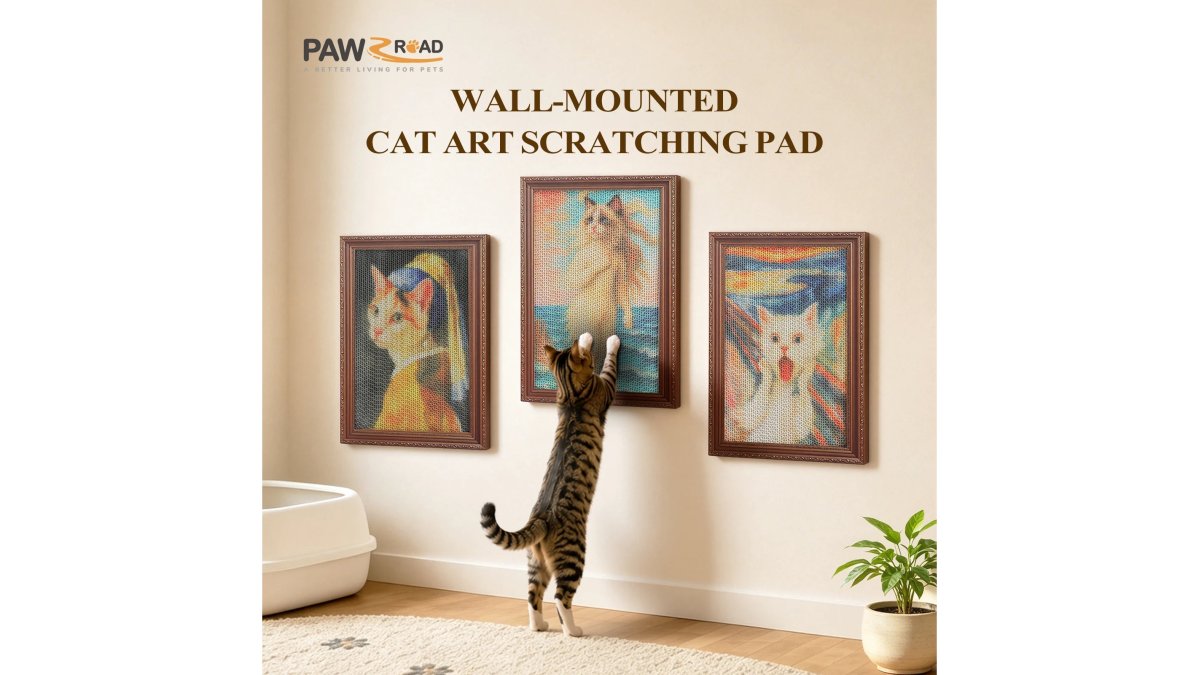
The PAWZ Road 3-Pack Corrugated Cat Scratcher With Adhesive Strips ($43.99) takes a wall-mounted approach. Three replaceable corrugated panels stick to walls using peel-and-stick adhesive, no drilling required. The water-based artwork on each panel makes these look like intentional décor rather than pet supplies.
Cat Scratchers for Large Cats: Heavy-Duty Options
Large cats need sturdier scratchers that won't collapse under their weight. Standard posts designed for average-sized cats may feel unstable or uncomfortable for bigger felines. Heavy-duty construction and reinforced bases become essential.
The ROJECO Cat Scratcher Cat Scratching Board For Cats Toys L-Shaped Claw Grinding Scraper Mat ($92.99) handles cats up to 15kg without wobbling. The L-shaped design provides both vertical and horizontal scratching surfaces in one unit. At 60×40×26cm, it's substantial enough to support vigorous play. The corrugated paper construction protects claws while the removable, washable sisal pad extends lifespan.
The L-Shaped Sisal Cat Scratcher With Hanging Ball ($55.99) offers a lighter alternative for large cats. The triangular structure with backward-leaning design prevents tipping, and the thickened base provides solid support. Solid wood construction combined with sisal wrapping creates a durable surface that resists wear. The beveled 15-degree design reduces spine compression during extended play, important for larger cats that spend time on scratchers.

The Sturdy Wood Cat Tree With Sisal Scratching Post And Lounges ($66.99) works well for multi-cat homes with at least one large cat. The solid natural wood base is genuinely heavy, resisting tipping during active jumps. The single-tier layout maximizes floor space rather than stacking vertically, which suits larger cats that may struggle with climbing. Multiple lounge areas accommodate several cats simultaneously, and the sisal-wrapped column serves as the primary scratching target.
PAWZ Road Large Indoor Cat Scratching Post With Sisal Ball Toy →
How to Get a Cat to Use a Scratching Post
Buying the right scratcher is only half the battle. Many cats ignore new posts because they haven't learned to use them or because the post is positioned where they don't naturally scratch.
Start by observing where your cat currently scratches. If they're targeting your couch, place the new scratcher directly beside it. Cats have preferred scratching spots, and moving a post away from those areas usually means they'll ignore it.
Make the scratcher irresistible by using catnip or silvervine. Rub some on the sisal surface and let it sit for a few hours. Most cats respond strongly to these scents, and the positive association encourages repeated use. Rotate fresh catnip every few weeks to maintain interest.
Play near the scratcher to draw your cat's attention. Dangle a toy near the post or toss a ball toward it. When your cat approaches and scratches, praise them immediately. Positive reinforcement works better than punishment, never force a cat's paws onto a scratcher or scold them for scratching furniture.
If your cat prefers horizontal surfaces, a horizontal scratcher may be the answer. Not all cats like climbing, and forcing a vertical post on a cat with low climbing drive just wastes money. Watch how your cat naturally stretches and scratches, then match the scratcher type to those preferences.
What Makes a Scratcher Stable and Long-Lasting
A scratcher that tips over teaches cats that scratching posts are unsafe. This single failure often sends cats back to your furniture permanently. Stability depends on three factors: base weight and footprint, material quality, and design geometry.
Base weight matters. Wide footprints distribute weight and prevent tipping from side-to-side movement.
Material quality determines how long a scratcher lasts. Sisal rope and sisal fabric hold up to repeated scratching without deteriorating. Cardboard wears faster but remains affordable since you can replace worn sheets. Carpet surfaces work for lounging but shouldn't be the primary scratching target, they shred and shed fibers quickly under claw pressure.
Design geometry affects both stability and comfort. Posts with a single pillar on a wide base resist tipping better than multi-tier designs where weight shifts higher. Angled or beveled designs (like the L-shaped scratchers) actually prevent tipping through their geometry rather than relying on weight alone. A 15-degree angle naturally resists forward tipping.
Regular maintenance extends scratcher lifespan. Vacuum cardboard scratchers to remove loose fibers. Check wooden frames for splinters and sand them smooth if needed. Replace sisal rope if it starts fraying badly, a loose rope is both a safety hazard and less appealing to cats.
Conclusion: Choose the Right Scratcher for Your Cat
The best cat scratcher matches your cat's natural preferences and your home's layout. A tall climber needs vertical posts. A lounger prefers horizontal surfaces. A playful cat benefits from interactive features. A large cat requires heavy-duty construction.
Annie N Poe Cattastic Supplies carries scratchers across all these categories, all designed to protect your furniture while keeping your cat engaged. We're here to help you find exactly what your cat needs, reach out if you want guidance on which scratcher suits your situation best.
The American Veterinary Medical Association on cat behavior and environmental enrichment
International Society of Feline Medicine guidelines on indoor cat welfare
ASPCA recommendations for keeping indoor cats mentally and physically stimulated
Frequently Asked Questions
What surfaces do cats prefer to scratch?
Cats naturally prefer textured surfaces that allow their claws to dig in and shred. Sisal rope, sisal fabric, and corrugated cardboard are the most popular materials because they mimic tree bark and satisfy the claw-maintenance instinct. Horizontal scratchers appeal to cats who like to stretch flat, while vertical posts suit climbers who want to reach upward and exercise their full body.
What's the best cat scratcher for large cats?
Large cats need scratchers with a sturdy, wide base and reinforced construction to prevent tipping during vigorous use. The ROJECO L-Shaped Scratcher ($92.99) handles cats up to 15 kg with a corrugated paper surface and anti-tip design. The Sturdy Wood Cat Tree ($66.99) offers a solid natural wood foundation and ample surface area, making it reliable for bigger felines and multi-cat households.
Should I choose a vertical or horizontal cat scratcher?
This depends on your cat's behavior. Vertical scratching posts encourage climbing, stretching, and exercise, making them ideal for active indoor cats. Horizontal scratchers and lounging beds suit cats who prefer to stretch flat and rest between scratching sessions. Many cat owners benefit from offering both orientations to match their cat's natural scratching preference and provide variety in their environment.
How can I get my cat to use a new scratcher?
Place the scratcher in a high-traffic area where your cat spends time, such as near a window or their favorite napping spot. Rub catnip or a bit of your cat's scent on the scratching surface to attract them. Reward your cat with praise or treats when they use it. If your cat gravitates toward furniture, position the scratcher nearby to redirect their behavior. Most cats adapt within a few days to a week, especially if the scratcher matches their preferred texture and orientation.
Are cardboard scratchers safe for cats?
Yes, corrugated cardboard scratchers are safe when made from non-toxic materials and water-based inks. The PAWZ Road 3-Pack Corrugated Scratcher ($43.99) uses water-based artwork and tightly woven cardboard that traps micro-fibers, reducing mess. Cardboard is naturally appealing to cats and provides excellent claw maintenance. The main drawback is durability, cardboard wears faster than sisal or wood, though replaceable refill sheets extend the product's life.